When Do You Stop Producing Collagen?
Collagen's Function In Aging & How To Improve It Activity supports joints and bones without requiring high-impact workout. Routine physical activity sends out signals to your body to keep bone and connective cells. Reduced collagen development can contribute to joint discomfort or stiffness and various other wheelchair issues. It might likewise decrease bone density mass, making bones a lot more susceptible to breaking. Collagen is the structure of vibrant skin and total vitality. As one of the most bountiful healthy protein in the body, it keeps the skin company, smooth, and elastic. Nonetheless, as we grow older, our natural collagen production slows, bring about noticeable indicators of aging, such as wrinkles and drooping skin. It forms the foundation of your skin, joints, bones, hair, nails, and connective cells. As you age, your natural collagen manufacturing decreases-- by around 1% annually beginning in your mid-20s, and also much faster throughout menopause, as overall collagen synthesis slows. Normally, oral and topical collagen are utilized in anti-aging items, as reported in the literary works. Collagen is an essential healthy protein that keeps our skin flexible and moisturized. However, collagen degrees begin to decrease in our mid-to-late 20s, resulting in great lines and creases, drooping, and a plain skin tone. As we get older, the cells responsible for collagen manufacturing, called fibroblasts, end up being much less energetic. By the time we reach our 30s, collagen levels reduce by around 1% annually. Collagen fibers are essential for offering structure and firmness to the skin. The cellular communication network that maintains them efficient, growth variables, peptides, and hormonal signals, normally deteriorates. Much less signaling methods less collagen and elastin generated, and much less hyaluronic acid in the dermis too. Collagen peptides are popular supplements, but it is very important to understand that they do not directly promote collagen production at a hereditary level.
Collagen Supplements
Currently, there are no authorized health cases for collagen in the EU. Studies suggest that L-Carnosine can sustain fibroblast cells, which are accountable for producing brand-new collagen, assisting your skin keep company and younger. Glycation is a procedure where sugar particles affix to collagen fibers, making them tight, breakable, and less effective. L-Carnosine helps stop this by acting as an anti-glycation agent, maintaining collagen versatile and resistant.- We'll address all these concerns in advance, review the significance of collagen for skin, and discuss items you can use to provide your complexion (and the rest of your body) an increase.
- Intrinsic causes include all-natural fibroblast stagnation beginning in the mid-20s and hormonal decrease, specifically estrogen loss during perimenopause and menopause.
- Dealing with these factors can make a purposeful distinction, even after menopause.
- Way of living routines like diet regimen, sunlight direct exposure, and stress and anxiety can quicken this loss, yet the good news is that you can sustain your body's collagen naturally.
Can You Recover Collagen Naturally?
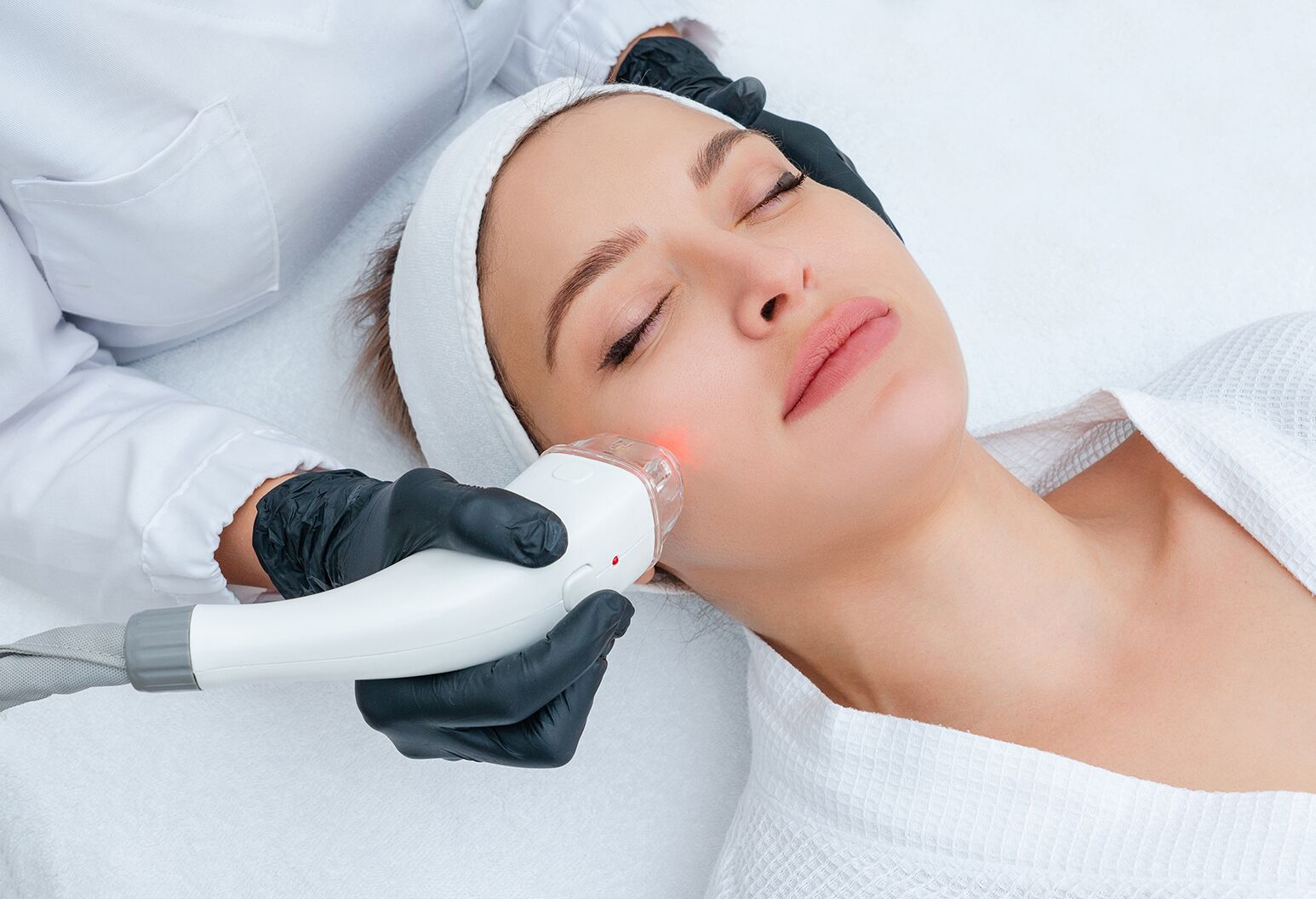
Info has actually been acquired from sources typically thought to be trusted. All statements and viewpoints in this short article have been assessed and are supported by the professional reviewer. The data presented in the short article was current since the moment of writing. Please talk to your specific advisors relative to any kind of info presented. Nonetheless, aesthetic therapies can assist stimulate collagen and elastin manufacturing, reducing the process and, in many cases, reversing several of its effects. At Advanced Allergy, Bronchial Asthma, & Immunology Center PA in San Antonio and Schertz, Texas, we offer a range of visual solutions that do exactly that. Our team can evaluate your skin, identify what it requires, and suggest one of the most effective therapy for you. As you age, your body slowly creates less collagen and elastin. This decline starts in your mid-20s at a price of about 1% annually. The results collect gradually, causing fine lines to deepen and your skin to lose its firmness.What depletes collagen the most?
Besides time, three important things will lower your collagen degrees: sunlight, smoking, and sugar. Too much exposure to ultraviolet light makes its fibers untangle. This can lead to sunlight damages, such as creases. A lot of the chemicals in cigarette smoke can harm it, which can make skin sag and wrinkle.